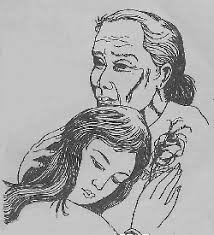
GIỚI THIỆU TÁC PHẨM CHA MÃI BÊN ĐỜI CẢM CỦA NHÀ VĂN PHƯƠNG HIỀN
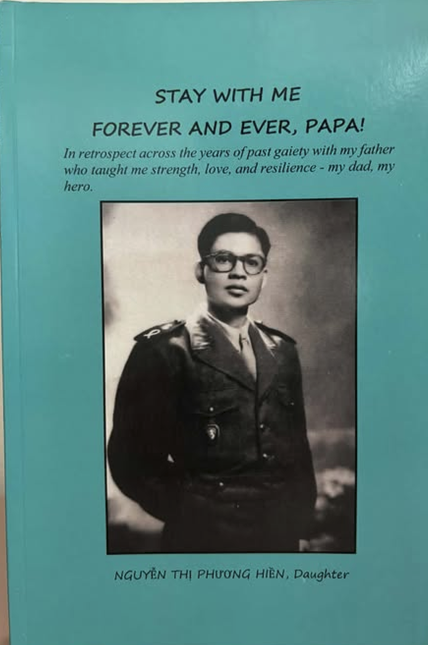
(Thân tặng tác giả nhà văn Nguyễn Thị Phương Hiền) “Stay with me forever and ever, Papa!”
Cha mãi bên đời, Thái Sơn cao cả
Giúp con mạnh mẽ vượt mọi phong ba
Tấm lòng hiếu thảo vầng trăng sáng ngà
VINH HỒ
Orlando, Mar. 19, 2026
1. ĐÔI DÒNG VỀ CỐ THIẾU TÁ NGUYỄN GIA TĨNH (1931-1985):
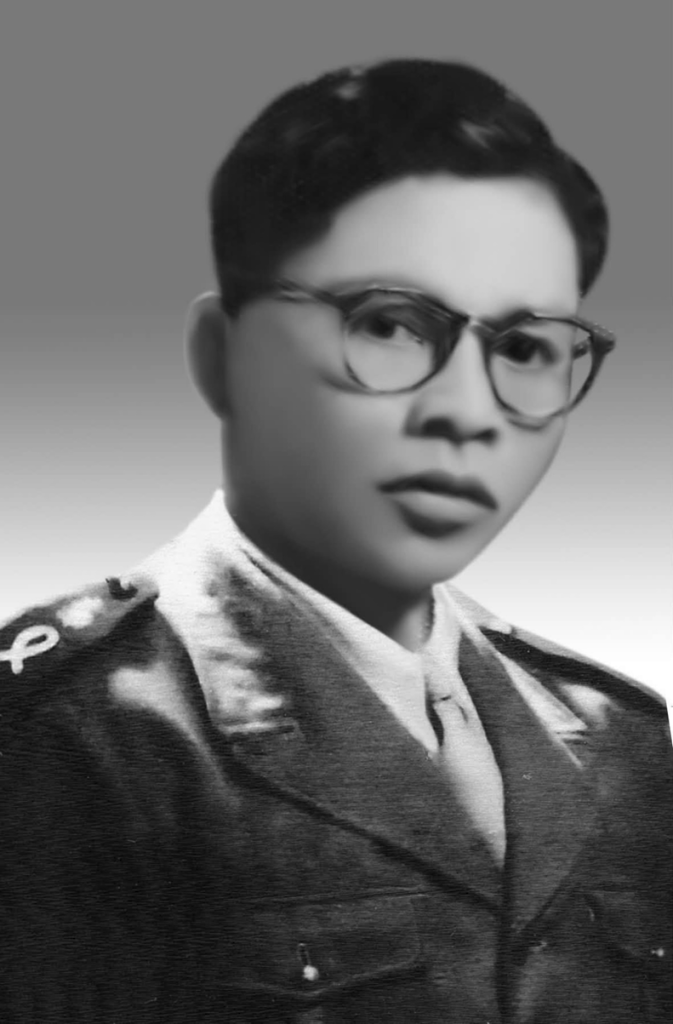
Người Cha trong tác phẩm song ngữ Cha Mãi Bên Đời / Stay With Me Forever And Ever, Papa!
hồi ký của tác giả Nguyễn Thị Phương Hiền.
Ông Nguyễn Gia Tĩnh, sinh ngày 8 tháng 5/1931, quê Hưng Yên, miền Bắc, là giáo viên, lập gia đình với Cô giáo Phạm Thị Phương Thảo cùng quê.
Khi Phương Hiền (PH) được 1 tuổi, Cha là Thầy giáo Nguyễn Gia Tĩnh nhập ngũ thụ huấn Khoá 10 Trường Võ Bị Liên Quân Đà Lạt (1/10/1953-1/6/954) cùng khoá với Thiếu Tướng Lê Minh Ðảo (hạng 18), Chuẩn tướng Vũ Văn Giai, Chuẩn tướng Trần Văn Nhựt, Chuẩn tướng Trương Hữu Đức… – Khoá 10 có danh hiệu là Trần Bình Trọng: Nguyễn Tấn Đạt thủ khoa. -Khóa 10 Trần Bình Trọng là khóa đông nhất của 10 khóa đầu tiên của Trường Võ Bị Quốc Gia Đà Lạt.
-Hiện trên mạng ở link: “Khóa 10 Flipbook – Trường Võ Bị Quốc Gia Việt Nam” có đăng danh sách 400 sĩ quan tốt nghiệp Khoá 10 Trần Bình Trọng vào ngày 1 tháng 6/1954 : Nguyễn Gia Tĩnh mang số thứ tự 359.
*TRƯỜNG VÕ BỊ QUỐC GIA ĐÀ LẠT:
-Năm 1948, Chính phủ Quốc gia Việt Nam thành lập Trường Sĩ quan Việt Nam ở Đập Đá, Huế: có 2 khoá
-Năm 1950: dời về Đà Lạt đổi tên thành Trường Võ bị Liên quân Đà Lạt: có 14 khoá.
-Năm 1959 Chính phủ Ngô Đình Diệm đổi tên thành Trường Võ bị Quốc gia Việt Nam cho tới 30/4/1975 : có 19 khoá
Tổng cộng: có 35 khoá: 33 khóa đã ra trường với 6.583 sĩ quan hiện dịch (2 khóa 30 và 31 chưa ra trường). Trong số đó có 61 tướng lãnh (tại Huế 19 vị, tại Đà Lạt 42 vị).
Năm 1954, Mẹ của Phượng Hiền đưa PH (mới 2 tuổi) từ Hưng Yên xuống Hải Phòng lên tàu há mồm di cư vào Nam, rồi lên Đà Lạt gặp chồng và cha, lúc ấy ông đang chuẩn bị Lễ tốt nghiệp Khoá 10 Trường Võ Bị Liên Quân Đà Lạt. Ông ra trường cấp bậc Thiếu uý, chọn binh chủng Biệt Động Quân khởi binh nghiệp tại Miền Tây, gia đình ở tại Sa Đéc.
Từ Lục Tỉnh đổi về Sài Gòn, gia đình ở tại Cư xá Sĩ quan Quang Trung, ông gởi PH vào học nội trú tại Trường Dòng Thánh Mẫu, đường Lê Văn Duyệt, Sài Gòn.
Ông rời SG, chuyển về Trường Hạ Sĩ Quan Đồng Đế Nha Trang 1 năm, sau đó chuyển về Trung Tâm Huấn Luyện Biệt Động Quân Dục Mỹ, gia đình ở tại thị trấn Ninh Hoà.
Năm 1966 ông có nhà gần cầu Dục Mỹ.
Năm 1969, ông chuyển lên Pleiku, trong lúc PH học Đệ Nhất C tại Trường Cường Để, Qui Nhơn.
Năm 1973, ông làm việc tại Liên doàn IV Biệt Động Quân ở Căn cứ Long Bình thuộc Quân khu III, KBC 3264.
Năm 1974, ông nhập viện Tổng Y Viện Cộng Hoà vì bệnh tim.
Tháng 3/1975, ông ra Hội đồng Miễn dịch Sài Gòn chứng nhận miễn dịch vĩnh viễn với cấp độ tàn phế 60%, xếp loại 3 phế binh.
Ngày 26/3/1975, Thiếu tá Nguyễn Gia Tĩnh, số quân 51/300 308 giải ngũ sau 22 năm phục vụ trong binh chủng Biệt Động Quân tính từ ngày 20/9/1953.
Ngày 8/5/1975 ông đi tù cải tạo trên 1 chuyến xe lửa bít bùng đến trại tù Yên Bái, chuyển trại nhiều lần, trại cuối là Nam Hà thuộc tỉnh Hà Nam Ninh. Ở nhà, gia đình đã biệt vô âm tín gần 5 năm. Trong tù bệnh tim tái phát, ông đã nhiều lần chết đi sống lại, ông ra tù đầu năm 1980.
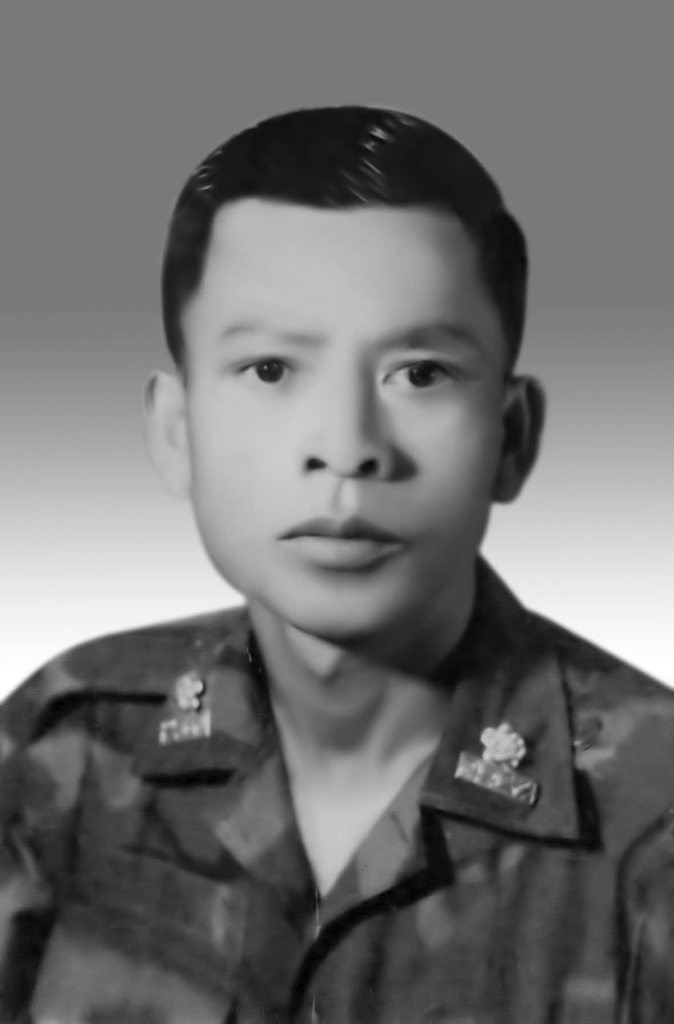
Ông mất ngày 21 tháng Giêng năm 1985 tại Sài Gòn, hưởng dương 54 tuổi.
Thiển nghĩ, là nam nhi, ông đã đặt Tổ quốc, danh dự và trách nhiệm lên trên tình nhà, dù đã có nghề nghiệp vững chắc, đã có vợ đẹp con ngoan, ông vẫn mạnh mẽ lên đường… Ôi chao giây phút chia tay sao mà cảm động!
“Ai ra đi mà không từng bịn rịn
Xa người yêu mà dễ mấy ai vui
Em nhìn theo bằng nước mắt chia phôi
Tôi mạnh bước mà nghe hồn nhỏ lệ
(Chuyện Giàn Thiên Lý – nhạc Anh Bằng)
Trong lúc người Cha đầy khí phách anh hùng, thì người Mẹ vẫn một lòng chung thuỷ không ngại gian khổ đã bồng con di cư vào Nam để sum họp cùng chồng nơi vạn dặm. Cao đẹp thay một cuộc tình thời chinh chiến còn ghi trong tác phẩm song ngữ Cha Mãi Bên Đời / Stay With Me Forever And Ever, Papa! hồi ký của tác giả Nguyễn Thị Phương Hiền và dịch giả Phạm Văn Bân.
2. NGƯỜI CHA GƯƠNG MẪU VÀ CÔ CON GÁI HIẾU THẢO:
Cố Thiếu Tá Nguyễn Gia Tĩnh, xuất thân nhà giáo, tốt nghiệp Khoá 10 Trường Võ Bị Liên Quân Đà Lạt, suốt 22 năm phục vụ trong binh chủng Biệt Động Quân. Sau 1975 ông đi tù cải tạo tại miền Bắc.
Theo tác phẩm Cha Mãi Bên Đới, ông là 1 người Cha gương mẫu, hết lòng yêu thương, chăm sóc, nuôi dạy con gái, có óc tân tiến và viễn kiến khi nghĩ đến tương lai của con, đã mời các bạn người Mỹ về nhà kèm con gái học tiếng Anh, nên thời gian ở nhà trường Trung học, Cô nữ sinh có thể giúp các Thầy Cô trong việc thông dịch khi có phái đoàn người Mỹ đến thăm trường.
Theo bài viết Yêu Thương Còn Mãi, cô PH năm 13 tuổi (Tuổi Mộng Mơ -nhạc Phạm Duy, Tuổi Mười Ba -thơ Nguyên Sa), PH học lớp Đệ Lục trường TH Trần Bình Trọng Ninh Hoà, được Cha chở vô Nha Trang mua sách vở, ngang qua chân đèo Rọ Tượng, xa xa là Vịnh Nha Phu nơi 2 dòng sông chảy vào, “tất cả sẽ hoà lẫn vào đại dương bao la”, nhìn biển cả, ông hỏi con gái:
-Con có thích biển, thích vượt trùng dương? Chăm học rồi lớn lên, Cha sẽ cho con đi Mỹ du học nhé!
-Vâng con muốn lắm!
Rồi cuộc đổi đời và biến cố thời cuộc đã không cho hai Cha con thực hiện được ước mơ đó. Thế nhưng Cô con gái đã không phụ lòng Cha:
1. Sau 1975 Cô PH nhiều lần du lịch đã đặt chân đến xứ sở Tự do mà Cha hằng mơ ước.
2. Năm 2015, Cô PH bắt đầu viết cuốn hồi ký Cha Mãi Bên Đời, năm 2017 xuất bản và Ra mắt sách tại CA, Hoa Kỳ, tôi có bay qua dự.
3. Năm 2025, Nhà văn Dịch giả Phạm Văn Bân ở CA đã bỏ ra 6 tháng giúp cô PH dịch cuốn sách Cha Mãi Bên Đời ra Anh ngữ: Stay With Me Forever And Ever, Papa! – Sách đã được:-Số kiểm soát của Thư viện Quốc hội Hoa Kỳ: 2025927934. Số đăng ký bản quyền Hoa Kỳ: 1-15064499201. Xuất bản và in tại Hoa Kỳ. Cô PH dự tính sẽ ra mắt sách tại CA và Florida, Hoa Kỳ.
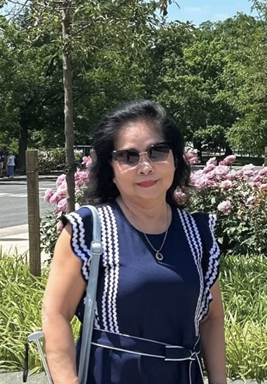
VH cũng nghĩ như dịch giả Phạm Văn Bân, ba việc mà Cô PH đã làm là vì tình thương và ước mơ của Papa, chắc chắn Cha cô bên kia thế giới rất vui và thoả nguyện. VH xin chúc mừng cô con gái hiếu thảo Phương Hiền đã làm được 3 điều mà không phải ai cũng có thể làm được.
VINH HỒ, Orlando, Mar. 29, 2026
Tham khảo:
-Tác phẩm song ngữ Cha Mãi Bên Đời / Stay With Me Forever And Ever, Papa! – hồi ký của tác giả nhà văn Nguyễn Thị Phương Hiền.
-Yêu Thương Còn Mãi, tháng 11/2025, bài viết của tác giả nhà văn Nguyễn Thị Phương Hiền. -Trường Võ bị Quốc gia Đà Lạt – Bách khoa toàn thư mở.
He is the father featured in the bilingual memoir *Cha Mãi Bên Đời / Stay With Me Forever And Ever, Papa!* by author Nguyễn Thị Phương Hiền.
Mr. Nguyễn Gia Tĩnh was born on May 8, 1931, and hailed from Hưng Yên province in Northern Vietnam. He was a teacher by profession and married a fellow teacher from the same province, Ms. Phạm Thị Phương Thảo.
When Phương Hiền (PH) was one year old, her father—then a teacher—enlisted in the military and underwent training with Class 10 of the Da Lat Joint-Service Military Academy (October 1, 1953 – June 1, 1954). His classmates included Major General Lê Minh Đảo (ranked 18th), Brigadier General Vũ Văn Giai, Brigadier General Trần Văn Nhựt, and Brigadier General Trương Hữu Đức. Class 10 bore the honorary name “Trần Bình Trọng,” with Nguyễn Tấn Đạt graduating as valedictorian. The Trần Bình Trọng Class (Class 10) was the largest of the first ten classes at the National Military Academy of Da Lat.
– A list of the 400 officers who graduated from Class 10 (Trần Bình Trọng) on June 1, 1954, is currently available online at the link “Khóa 10 Flipbook – Trường Võ Bị Quốc Gia Việt Nam” (Class 10 Flipbook – National Military Academy of Vietnam); Nguyễn Gia Tĩnh is listed at number 359.
* THE NATIONAL MILITARY ACADEMY OF DA LAT:
– In 1948, the Government of the State of Vietnam established the Vietnam Officers’ School at Đập Đá, Huế; it produced two classes.
– In 1950, the school relocated to Da Lat and was renamed the Da Lat Joint-Service Military Academy; it produced fourteen classes. – In 1959, the Ngo Dinh Diem government renamed the institution the Republic of Vietnam National Military Academy; it operated until April 30, 1975, spanning 19 classes.
– In total, there were 35 classes; 33 classes graduated, producing 6,583 career officers (Classes 30 and 31 did not graduate). Among the graduates were 61 general officers (19 from the Hue era and 42 from the Da Lat era).
– In 1954, Phuong Hien’s mother brought her (then only two years old) from Hung Yen to Hai Phong, where they boarded a landing ship to migrate South. They then traveled to Da Lat to reunite with her father, who was preparing for the graduation ceremony of Class 10 at the Da Lat Joint Military Academy. He graduated with the rank of Second Lieutenant, chose the Ranger branch to begin his military career in the Mekong Delta (the “Six Provinces” region), and the family lived in Sa Dec.
– After transferring from the Mekong Delta to Saigon, the family lived at the Quang Trung Officers’ Housing Complex; he enrolled Phuong Hien as a boarder at the Thanh Mau Convent School on Le Van Duyet Street, Saigon.
– He left Saigon for a one-year assignment at the Dong De Non-Commissioned Officer School in Nha Trang, followed by a transfer to the Duc My Ranger Training Center, with the family residing in the town of Ninh Hoa.
– In 1966, he acquired a house near the Duc My Bridge.
– In 1969, he was transferred to Pleiku, while Phuong Hien was studying in the *Đệ Nhất C* class (final year of high school) at Cuong De School in Qui Nhon.
– In 1973, he served with the 4th Ranger Group at Long Binh Base in Military Region III (KBC 3264).
– In 1974, he was admitted to the Republic General Hospital due to a heart condition. In March 1975, he appeared before the Saigon Disability Board, which certified his permanent disability at a 60% level, classifying him as a Class 3 disabled veteran.
On March 26, 1975, Major Nguyen Gia Tinh (service number 51/300 308) was discharged after 22 years of service in the Ranger Corps, a tenure that had begun on September 20, 1953.
On May 8, 1975, he was sent to a re-education camp, traveling in a sealed train car to the Yen Bai facility; he was subsequently transferred multiple times, finally ending up at the Nam Ha camp in Ha Nam Ninh province. Back home, his family lost all contact with him for nearly five years. While imprisoned, his heart condition recurred, bringing him to the brink of death on several occasions; he was released in early 1980.
He passed away on the 21st day of the first lunar month in 1985 in Saigon, at the age of 54.
It is my humble view that, as a man, he placed his country, honor, and duty above his domestic life; despite having a secure career and a beautiful wife and well-mannered children, he resolutely set out to serve… How deeply moving that moment of parting must have been!
“Who leaves without a lingering pang of sorrow?
Few find joy in parting from a lover.
She gazes after me through tears of farewell;
I stride away, yet my soul weeps within.”
(From the song *Chuyện Giàn Thiên Lý* – Music by Anh Bằng)
While the father embodied a heroic spirit, the mother remained steadfastly devoted; undeterred by hardship, she carried her child south to reunite with her husband across the vast distance. How noble was this wartime romance—a story immortalized in the bilingual memoir *Cha Mãi Bên Đời / Stay With Me Forever And Ever, Papa!* by author Nguyễn Thị Phương Hiền and translator Phạm Văn Bân.
2. AN EXEMPLARY FATHER AND A FILIAL DAUGHTER:
The late Major Nguyễn Gia Tĩnh began his career as a teacher before graduating from Class 10 of the Da Lat Joint General Military Academy; he served for 22 years in the Ranger Corps (*Biệt Động Quân*). After 1975, he was sent to a re-education camp in the North.
According to the memoir *Cha Mãi Bên Đời*, he was an exemplary father who loved, cared for, and raised his daughter wholeheartedly. Possessing a progressive and visionary mindset regarding her future, he invited American friends to their home to tutor her in English. Consequently, during her high school years, she was able to assist teachers with interpretation whenever American delegations visited the school.
According to the article *Yêu Thương Còn Mãi* (Love Endures), when PH was thirteen—an age of dreams and youthful reverie—she was a student in the *Đệ Lục* class (equivalent to 7th grade) at Trần Bình Trọng High School in Ninh Hòa. Her father was driving her to Nha Trang to buy school supplies; as they passed the foot of Ro Tuong Pass, looking out toward the distant Nha Phu Bay—where two rivers converge and “all merge into the vast ocean”—he gazed at the sea and asked his daughter:
“Do you love the sea? Do you like the idea of crossing…” …cross the ocean? If you study hard, when you grow up, Dad will send you to the U.S. to study!
-Yes, I’d love that!
Then, life-altering changes and the upheavals of the times prevented father and daughter from realizing that dream. Yet, the daughter did not let her father down.
1. QUELQUES MOTS SUR LE MAJOR NGUYEN GIA TINH (1931-1985) :
Le père dans les mémoires bilingues « Reste avec moi pour toujours, Papa ! » de l’auteure Nguyen Thi Phuong Hien.
Nu le 8 mai 1931 à Hung Yen, dans le nord du Vietnam, M. Nguyen Gia Tinh était un enseignant. Il avait épousé Mme Pham Thi Phuong Thao, elle aussi originaire de cette ville.
Lorsque Phuong Hien (PH) avait un an, son père, l’instituteur Nguyen Gia Tinh, s’engagea dans l’armée et intégra la 10e promotion de l’Académie militaire conjointe de Dalat (1er octobre 1953 – 1er juin 1954), aux côtés du major-général Le Minh Dao (18e de sa promotion), du général de brigade Vu Van Giai, du général de brigade Tran Van Nhut et du général de brigade Truong Huu Duc. La 10e promotion était baptisée Tran Binh Trong ; Nguyen Tan Dat en fut le major. La promotion Tran Binh Trong était la plus importante des dix premières promotions de l’Académie militaire nationale de Dalat.
Actuellement, le lien en ligne « Class 10 Flipbook – Académie militaire nationale du Vietnam » recense 400 officiers diplômés de la promotion 10 Tran Binh Trong le 1er juin 1954 : Nguyen Gia Tinh y figure au numéro 359.
*ACADÉMIE MILITAIRE NATIONALE DE DA LAT :
En 1948, le gouvernement national vietnamien crée l’École d’officiers du Vietnam à Dap Da, Hué, avec deux promotions.
En 1950, elle est transférée à Da Lat et rebaptisée Académie militaire conjointe de Da Lat, avec 14 promotions.
En 1959, le gouvernement de Ngo Dinh Diem la renomme Académie militaire nationale du Vietnam, nom qu’elle conservera jusqu’au 30 avril 1975 ; elle compte alors 19 promotions.
Au total, 35 promotions ont été formées : 33 promotions ont diplômé 6 583 officiers en service actif (les promotions 30 et 31 n’ont pas encore obtenu leur diplôme). Parmi eux, 61 généraux (19 à Hué, 42 à Da Lat).
En 1954, la mère de Phuong Hien emmena sa fille (âgée de seulement 2 ans) de Hung Yen à Hai Phong, puis embarqua sur un navire à destination du Sud. Elle rejoignit ensuite son mari et son père à Da Lat, où ce dernier préparait la cérémonie de remise des diplômes de la 10e promotion de l’Académie militaire conjointe de Da Lat. Il sortit diplômé avec le grade de sous-lieutenant, choisit les forces spéciales et commença sa carrière militaire dans l’Ouest. Sa famille s’installa à Sa Dec.
Après avoir quitté le delta du Mékong pour Saïgon, sa famille vécut dans le complexe de logements pour officiers de Quang Trung. Il envoya sa femme étudier au collège du couvent de la Sainte-Mère, rue Le Van Duyet, à Saïgon.
Il quitta ensuite Saïgon et fut muté à l’école de sous-officiers de Dong De à Nha Trang pendant un an, puis au centre d’entraînement des forces spéciales de Duc My, où sa famille résidait dans la ville de Ninh Hoa.
En 1966, il possédait une maison près du pont Duc My.
En 1969, il s’installa à Pleiku, tandis que son épouse poursuivait ses études en première année de primaire au collège Cuong De de Quy Nhon.
En 1973, il travaillait au IVe régiment des forces spéciales, à la base de Long Binh, dans la région militaire III (KBC 3264).
En 1974, il fut hospitalisé à l’hôpital général de la République pour une maladie cardiaque.
En mars 1975, le Conseil d’immunisation de Saïgon lui certifia une immunité permanente, assortie d’un taux d’invalidité de 60 %, le classant comme ancien combattant handicapé de catégorie 3.
Le 26 mars 1975, le major Nguyen Gia Tinh, matricule 51/300 308, fut démobilisé après 22 ans de service au sein des Forces spéciales, débuté le 20 septembre 1953.
Le 8 mai 1975, il fut transféré dans un camp de rééducation par train fermé à destination de la prison de Yen Bai, où il subit plusieurs transferts, son dernier lieu de détention étant le camp de Nam Ha, dans la province de Ha Nam Ninh. Sa famille fut sans nouvelles de lui pendant près de cinq ans. Durant son incarcération, son état cardiaque se détériora et il frôla la mort à plusieurs reprises. Il fut libéré début 1980.
Il décéda le 21 janvier 1985 à Saïgon, à l’âge de 54 ans.
À mon avis, en tant qu’homme, il plaçait son pays, son honneur et son sens des responsabilités au-dessus des liens familiaux. Malgré une carrière stable, une épouse magnifique et des enfants obéissants, il a courageusement entrepris son voyage… Quel moment d’adieu poignant !
Qui part sans éprouver un pincement au cœur ?
Il est difficile d’être heureux loin de l’être aimé.
Elle m’a regardé partir, les larmes aux yeux.
J’ai continué mon chemin, le cœur lourd.
(L’Histoire de la vigne de chèvrefeuille – musique d’Anh Bang)
Tandis que le père était animé d’un courage héroïque, la mère, imperturbable face à l’adversité, portait son enfant et a migré vers le sud pour retrouver son mari au loin. Quelle belle histoire d’amour en temps de guerre ! Elle est racontée dans l’ouvrage bilingue *Reste avec moi pour toujours, papa !*, un récit autobiographique de l’auteure Nguyen Thi Phuong Hien et du traducteur Pham Van Ban.
2. LE PÈRE EXEMPLAIRE ET SA FILLE FIDÈLE :
Le regretté major Nguyen Gia Tinh, ancien enseignant, est sorti diplômé de la 10e promotion de l’Académie militaire conjointe de Dalat et a servi dans les forces spéciales pendant 22 ans. Après 1975, il a été emprisonné. dans un camp de rééducation du Nord.
Selon l’ouvrage *Reste avec moi pour toujours*, il était un père exemplaire, aimant et attentionné envers sa fille, et l’élevant avec dévouement. Il avait une vision progressiste et novatrice de son avenir. Il invitait des amis américains chez lui pour lui donner des cours d’anglais, ce qui lui permettait, au lycée, d’aider ses professeurs en traduisant lors des visites de délégations américaines.
Selon l’article « L’amour dure toujours », à l’âge de 13 ans (Dreamy Age – musique de Pham Duy, Thirteen Years Old – poème de Nguyen Sa), PH, élève de sixième au lycée Tran Binh Trong de Ninh Hoa, fut emmenée par son père à Nha Trang pour acheter des livres et des fournitures scolaires. Passant au pied du col de Ro Tuong, ils aperçurent au loin la baie de Nha Phu, où deux rivières se jettent dans l’océan. Contemplant la mer, il demanda à son… Fille :
« Aimes-tu la mer ? Aimes-tu traverser l’océan ? Travaille bien à l’école et, quand tu seras grande, je te laisserai partir étudier en Amérique ! »
« Oui, je veux bien ! »
Puis, les aléas de la vie et les vicissitudes de l’époque ont empêché le père et la fille de réaliser ce rêve. Mais la fille n’a pas déçu son père.
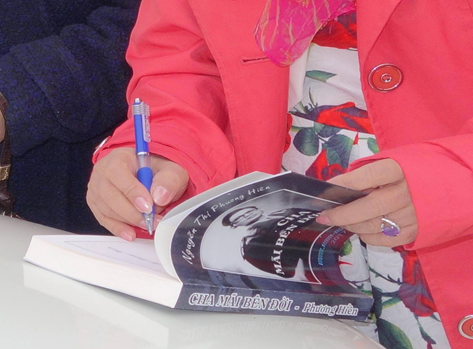
HỒI KÝ CHA MÃI BÊN ĐỜI.
Sau đây là hai bài đóng góp của tác giả điểm sách dược ghi nhận như sau:
• Bài của Nhà văn Lưu Khánh Lan
NHẬN XÉT VỀ VĂN CHƯƠNG VÀ ĐỜI SỐNG TRONG TÁC PHẨM CHA VẪN BÊN ĐỜI
CHA VẪN BÊN ĐỜI là những yếu tố khắng khít giữa tình mẫu tử, là vòng tròn đồng tâm mà tâm điểm là bản ngã con người. Có thể nói đây là tác phẩm bút ký ghi lại tình yêu thương thiêng liêng của con người trong cuộc sống. Tình yêu trong trường hợp của tác giả Phương Hiền là bà đã dùng đối tượng ghi nhận là người cha kính yêu mà bà nhớ về chặng đường đời được người cha dìu dắt, yêu thương, là hành trang quý báu để bà bước vào đời.
Cũng trong tác phẩm hồi ký (hồi ức) này, tác giả xóay cảm nghĩ của mình về những bước thăng trầm của quê hương, của đất nước lẫn sự nhạy cảm của bà đối với những biến chuyển phức tạp của đời sống xã hội trong giai đoạn chiến tranh, cũng như ý thức được hướng đi của mình trong tương lai.
Nội dung sách nêu lên những đổi thay của đất nước, những chao đảo trong cuộc sống với nhiều diễn biến xảy ra bất ngờ. Những nhân vật trong tác phẩm đã chi phối sự suy tư và nỗi trăn trở của tác giả khi nghĩ đến gia đình, bạn bè, trường học… Tác giả cũng tự vận động sức mạnh bản thân để giúp mình vươn lên trong cuộc sống và thành công trong đường đời. Khiến người đọc cảm nhận được một lối viết, một thể loại văn chương trung thực, chân phương qua tác phẩm hồi ký này.
Nghệ thuật văn chương hay mỗi tác phẩm nghệ thuật là một cái nhìn về sự trường tồn qua thời gian và góc nhìn vào thực tại. Cái vĩnh cửu đang nhìn qua cái bất biến của sự thực. Tác giả Phương Hiền đã không nên nhìn sự kiện đời sống xảy ra một cách đơn giản, bà đã nhìn thấu rõ bản thể của vấn đề qua lăng kính rộng lớn, bà đã phân tích, đào sâu bản sắc cuộc sống, tư duy bản chất con người vào các chuỗi sự kiện sâu thẵm theo thời gian, lịch sử đã xảy ra.
Chúc mừng NV Phương Hiền ra tác phẩm,
Khánh Lan, California 2026.
—————————————————————————-
• Bài của Nhà văn Kiều My
Những cảm nghĩ về sách HỒI KÝ CHA MÃI BÊN ĐỜI
Kiều My xin được góp phần cảm nghĩ của mình cho quyển hồi ký Cha Mãi Bên Đời của nhà văn Phương Hiền.
Đây là một tác phẩm mang đậm tình người và chan chứa yêu thương của tình phụ tử vượt lên trên mọi giới hạn của thời gian.Tác giả đã đưa chúng ta trở về những năm tháng chiến tranh đầy biến động của Việt Nam. Trong hoàn cảnh ấy, một cô bé lớn lên bên người cha quân nhân, theo chân cha qua nhiều vùng đất khác nhau, nơi đơn vị của cha đóng quân. Những ngày tháng gian khó ấy đã tạo nên một tình cảm gắn bó đặc biệt giữa cha và con.
Người cha trong hồi ký hiện lên không phải như một anh hùng trên chiến trường, mà trước hết là một người cha tận tụy, yêu thương con bằng tất cả tấm lòng. Những bài học về nhân cách, lòng can đảm, sự hy sinh và trách nhiệm đã được truyền lại cho con không chỉ bằng lời nói mà bằng chính cuộc đời của ông.
Khi người cha ra đi vì căn bệnh tim, nỗi mất mát ấy đã để lại khoảng trống không gì bù đắp được trong lòng người con gái…đó chính là tác giả Phương Hiền. Nhưng điều kỳ diệu là tình yêu thương không hề mất đi theo năm tháng. Trái lại, nó trở thành nguồn ký ức thiêng liêng, trở thành ngọn lửa âm thầm sưởi ấm cuộc đời người ở lại.
“”Cha mất vì trái tim ngừng đập. Nhưng tình thương của cha thì chưa bao giờ ngừng sống.”
Từng trang sách là từng giọt nước mắt nhớ thương, từng kỷ niệm được nâng niu như những báu vật của tâm hồn. Người đọc có thể bắt gặp trong đó hình ảnh của chính mình, của cha mình, hay của những người thân yêu đã từng hiện diện trong cuộc đời… nhưng nay chỉ còn trong ký ức.
Điều làm nên giá trị đặc biệt của Cha Mãi Bên Đời… chính là sự chân thật. Tác giả không tô vẽ hay cường điệu cảm xúc. Bằng giọng văn giản dị và chân thành, tác giả đã kể lại câu chuyện đời mình như một lời tâm sự, để từ đó… chạm đến trái tim của người đọc.
Cha Mãi Bên Đời nhắc nhở chúng ta rằng: Cha mẹ có thể rời xa cõi đời này, nhưng tình yêu của cha mẹ sẽ sống mãi trong trái tim con cái. Những người thân yêu không thật sự mất đi… khi họ còn được nhớ đến bằng tình thương và lòng biết ơn.
Trong cuộc sống bận rộn hôm nay, đôi khi chúng ta quên nói lời yêu thương với cha mẹ, quên dành thời gian cho những người thân đang còn bên cạnh. Vì thế, Cha Mãi Bên Đời không chỉ là một cuốn hồi ký để đọc, mà còn… là một lời nhắc nhở nhẹ nhàng về đạo hiếu và tình thân gia đình.
Và cuốn hồi ký “Cha Mãi Bên Đời” mà chúng ta cùng tìm hiểu hôm nay chính là minh chứng đẹp đẽ cho điều ấy.
Khi gấp lại những trang cuối của cuốn hồi ký này, chúng ta nhận ra rằng tác giả không chỉ viết về một người cha đã khuất, mà đang viết về tình yêu. Một tình yêu không bị thời gian làm phai nhạt. Một tình yêu không bị sự chết chia lìa.
Có lẽ đó cũng là ý nghĩa đẹp nhất của nhan đề “Cha Mãi Bên Đời”.
Bởi có những người tuy đã đi xa, nhưng chưa bao giờ rời khỏi cuộc đời chúng ta.
Có những người cha đã rời xa nhân thế, nhưng chưa bao giờ rời khỏi cuộc đời con cái.
Xin cảm ơn tác giả đã trao tặng cho chúng ta món quà tinh thần quý giá này.
Xin chúc nhà văn Phương Hiền tiếp tục sáng tác nhiều tác phẩm giá trị, và mong rằng cuốn hồi ký Cha Mãi Bên Đời sẽ được độc giả khắp nơi đón nhận nồng nhiệt, để những thông điệp đẹp đẽ về tình phụ tử tiếp tục được lan tỏa.
Trân trọng
Kiều My.
————————————————————————-
• By Writer Lưu Khánh Lan
The following are two contributions from the book reviewer:
REFLECTIONS ON THE LITERATURE AND LIFE IN THE WORK *CHA VẪN BÊN ĐỜI* (Father Remains by My Side)
*Cha Vẫn Bên Đời* embodies the intimate bonds of family love—specifically the paternal bond—forming concentric circles with the human self at the very center. It is, in essence, a memoir chronicling the sacred nature of human love. For author Phương Hiền, this love centers on her beloved father; she reflects on the journey of life where his guidance and affection served as the invaluable foundation for her own path into the world.
In this memoir, the author also explores her thoughts on the nation’s turbulent history and the complex social shifts during wartime, while simultaneously gaining clarity regarding her own future direction. The book depicts the country’s transformations and the upheavals of life, marked by unexpected turns of events. The figures within the work shape the author’s reflections and deep concerns regarding family, friends, and school. Furthermore, the author draws upon her inner strength to rise above challenges and succeed in life. Through this memoir, readers perceive a writing style and literary genre that are honest and unpretentious.
Literary art—and indeed any work of art—offers a perspective on endurance through time and a view of reality. It is the eternal gazing through the immutable nature of truth. Author Phương Hiền does not view life’s events superficially; rather, she perceives the true essence of matters through a broad lens. She analyzes and delves into the nature of life and the human spirit, examining a series of profound events that have unfolded across time and history.
Congratulations to writer Phương Hiền on the release of her work,
Khánh Lan, California 2026.
—————————————————————————-
• By Writer Kiều My
Reflections on the memoir *Cha Mãi Bên Đời* (Father Forever by My Side)
I would like to share my thoughts on the memoir *Cha Mãi Bên Đời* by writer Phương Hiền.
This is a work deeply imbued with humanity and the overflowing love of a father-daughter bond that transcends the limits of time. The author transports us back to the turbulent years of the war in Vietnam. Amidst those circumstances, a young girl grew up alongside her soldier father, following him to the various regions where his unit was stationed. Those arduous days forged a special, enduring bond between father and child.
In the memoir, the father does not appear merely as a battlefield hero, but first and foremost as a devoted father who loved his child with all his heart. Lessons regarding character, courage, sacrifice, and responsibility were passed down to his daughter not only through words but through the example of his own life.
When her father passed away due to heart disease, the loss left an irreplaceable void in the heart of his daughter—the author, Phương Hiền. Yet, miraculously, that love did not fade with the passing years. On the contrary, it became a source of sacred memories—a quiet flame warming the life of the one left behind.
“Father passed away when his heart stopped beating.” “Yet, a father’s love never ceases to live on.”
Each page holds tears of longing and memories cherished like treasures of the soul. Readers may catch glimpses of themselves, their own fathers, or loved ones who once graced their lives—yet now exist only in memory.
What gives *Cha Mãi Bên Đời* (Father Forever by My Side) its special value is its authenticity. The author neither embellishes nor exaggerates emotions. Through a simple, sincere narrative style, the author shares their life story as a heartfelt confidence, thereby touching the reader’s heart.
*Cha Mãi Bên Đời* reminds us that while parents may depart this world, their love lives on forever in the hearts of their children. Loved ones are never truly gone as long as they are remembered with affection and gratitude.
In today’s busy world, we sometimes forget to express our love to our parents or neglect to spend time with the loved ones still by our side. Thus, *Cha Mãi Bên Đời* is not merely a memoir to be read; it is a gentle reminder of filial piety and the bonds of family.
The memoir *Cha Mãi Bên Đời*, which we explore today, stands as a beautiful testament to this truth.
As we close the final pages of this memoir, we realize that the author is writing not just about a departed father, but about love—a love undimmed by the passage of time and unbroken by death.
Perhaps this is the most beautiful meaning behind the title *Cha Mãi Bên Đời*.
For there are those who, though they have departed, never truly leave our lives.
There are fathers who have left this world, yet never leave the lives of their children.
Thank you to the author for gifting us this precious work.
I wish writer Phuong Hien continued success in creating valuable works, and I hope that the memoir *Cha Mãi Bên Đời* (Father Forever by My Side) receives a warm reception from readers everywhere, allowing its beautiful messages about the father-child bond to spread far and wide.
Sincerely,
Kieu My.
——————————————————————————
• Article de Luu Khanh Lan
Voici deux contributions d’auteurs à la critique littéraire, comme indiqué :
COMMENTAIRES SUR LA LITTÉRATURE ET LA VIE DANS L’ŒUVRE « PÈRE EST TOUJOURS LÀ »
« PÈRE EST TOUJOURS LÀ » met en lumière le lien étroit entre l’amour maternel et l’identité humaine, un cercle concentrique centré sur l’ego. On peut dire qu’il s’agit d’un récit autobiographique témoignant de l’amour sacré qui unit les êtres humains. Pour l’auteure, Phuong Hien, l’objet de sa réflexion est son père bien-aimé, dont elle se souvient tout au long de son parcours de vie, guidée et aimée par lui, un précieux soutien à l’aube de l’âge adulte.
Dans ce récit, l’auteure évoque les hauts et les bas de sa patrie et de son pays, ainsi que sa sensibilité aux bouleversements sociaux complexes survenus pendant la guerre et sa conscience de son avenir.
Le livre met en évidence les transformations du pays et les bouleversements de la vie, ponctués de nombreux événements inattendus. Les personnages de l’œuvre ont influencé les pensées et les angoisses de l’auteure, qui s’est penchée sur sa famille, ses amis, son école, etc. Elle a également puisé dans ses propres ressources pour s’élever socialement et réussir. Le lecteur perçoit ainsi, à travers ce récit autobiographique, un style d’écriture et un genre littéraire d’une grande honnêteté et d’une grande simplicité.
L’art littéraire, ou toute œuvre d’art, est une perspective sur la pérennité du temps et un point de vue sur la réalité. L’éternel se révèle à travers l’immuabilité du réel. Phuong Hien n’a pas appréhendé les événements de la vie de manière superficielle ; elle en a saisi l’essence avec une perspective globale. Elle a analysé et exploré l’identité de la vie et la nature fondamentale de la pensée humaine au sein du profond enchaînement des événements qui ont marqué le temps et l’histoire.
Félicitations à l’auteure Phuong Hien pour la parution de son ouvrage,
Khanh Lan, Californie 2026.
—————————————————————————-
• Article de l’écrivaine Kieu My
Réflexions sur le livre *MÉMOIRES D’UN PÈRE QUI SERA TOUJOURS À MES CÔTÉS*
Kieu My souhaite partager ses réflexions sur les mémoires de Phuong Hien, *Un père qui sera toujours à mes côtés*.
Ce livre, empreint d’une grande humanité et débordant de l’amour d’un père pour sa fille, transcende le temps. L’auteure nous replonge dans les années tumultueuses de la guerre du Vietnam. Dans ce contexte, une jeune fille grandit aux côtés de son père militaire, le suivant dans les différentes régions où son unité était stationnée. Ces moments difficiles ont forgé un lien unique entre le père et la fille.
Le père, dans ces mémoires, n’est pas présenté comme un héros de guerre, mais avant tout comme un père dévoué qui aimait sa fille de tout son cœur. Des leçons de caractère, de courage, de sacrifice et de responsabilité ont été transmises à sa fille non seulement par ses paroles, mais aussi par son propre exemple.
Lorsque son père est décédé d’une maladie cardiaque, la perte a laissé un vide irremplaçable dans le cœur de sa fille… c’est-à-dire, de l’auteure, Phuong Hien. Mais miraculeusement, l’amour n’a pas faibli avec le temps. Au contraire, il est devenu un souvenir précieux, une flamme silencieuse qui réchauffe la vie de ceux qui restent.
« Papa est mort parce que son cœur a cessé de battre. » Mais l’amour d’un père ne s’éteint jamais.
Chaque page est une larme de nostalgie, chaque souvenir chéri comme un trésor de l’âme. Les lecteurs y reconnaîtront peut-être leur propre image, celle de leur père ou d’êtres chers qui ont jadis fait partie de leur vie… et qui ne subsistent plus que dans leurs souvenirs.
Ce qui rend « Papa sera toujours avec toi » si particulier, c’est son authenticité. L’auteure ne cherche ni à embellir ni à exagérer les émotions. Avec un style d’écriture simple et sincère, l’auteur relate son histoire comme une confession à cœur ouvert, touchant ainsi le cœur des lecteurs.
« Père sera toujours avec toi » nous rappelle que : si les parents quittent ce monde, leur amour demeure à jamais dans le cœur de leurs enfants. Les êtres chers ne disparaissent jamais vraiment… tant qu’on se souvient d’eux avec amour et gratitude.
Dans le tourbillon de la vie moderne, il nous arrive d’oublier d’exprimer notre amour à nos parents, d’oublier de passer du temps avec ceux qui sont encore à nos côtés. C’est pourquoi « Père, tu es toujours là » n’est pas seulement un récit autobiographique, mais aussi un doux rappel de la piété filiale et de l’amour familial.
Et ce récit, que nous explorons aujourd’hui, en est un magnifique témoignage.
En refermant ce livre, nous comprenons que l’auteur n’écrit pas seulement sur un père disparu, mais sur l’amour. Un amour que le temps ne s’altère pas. Un amour que la mort ne peut séparer.
C’est peut-être là le plus beau sens du titre « Père, tu es toujours là ».
Car il y a des personnes qui, bien que disparues, restent à jamais présentes dans nos vies.
Il y a des pères qui ont quitté ce monde, mais qui demeurent à jamais dans le cœur de leurs enfants.
Merci à l’auteure pour ce précieux cadeau spirituel.
Nous souhaitons à Phuong Hien beaucoup de succès dans la création de nombreuses œuvres de valeur et espérons que son récit autobiographique « Père toujours à mes côtés » sera chaleureusement accueilli par les lecteurs du monde entier, afin que le beau message de l’amour paternel continue de rayonner.
Sincèrement,
Kieu My.
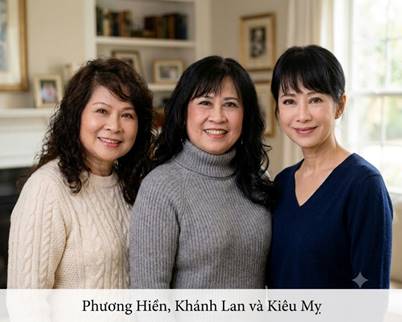
Đọc hồi ký Cha Mãi Bên Đời của Nguyễn Thị Phương Hiền
Vương Trùng Dương: Đọc hồi ký Cha Mãi Bên Đời của Nguyễn Thị Phương Hiền

(Sáng Thứ Ba 23/6 đang xem World Cup ở cà phê Gypsy, nhà văn Huy Anh mang cuốn Cha Mãi Bên Đời tặng nên đáp lễ, viết những dòng về tác phẩm nầy)
*
Trong mười tám năm qua, trong vai trò Chủ Bút nguyệt san Chiến Sĩ Cộng Hòa, tôi đã đọc nhiều tác phẩm, bài viết và đăng tải trên tờ báo liên quan đến cuộc đời người con khi mất nước, cha vào chốn lao tù, vợ con sống trong hoàn cảnh nghiệt ngã bên lề xã hội.
Những hình ảnh bi thương, cảm động khi vật lộn với cuộc sống, bị đày vùng kinh tế mới, lặn lội thăm nuôi, vượt biên và khi được sống ở hải ngoại.
Hồi ký Cha Mãi Bên Đời của Nguyễn Thị Phương Hiền là một trong những tác phẩm tiêu biểu trong hoàn cảnh đó, ấn hành năm 2017, và chín năm sau dịch sang Anh ngữ Stay With Me Forever And Ever, Papa! Sẽ ra mắt tác phẩm vào thượng tuần tháng Bảy năm 2026 tại Little Saigon.
Tuy thuộc thế hệ thứ hai (hậu duệ) trong QLVNCH nhưng Phương Hiền đã bước sang tuổi thất thập. Vì vậy tác phẩm nầy có thể dành cho người người Mỹ và thế hệ thứ hai cảm nhận tấm lòng của người con với thân phụ đã dấn thân trong thời chinh chiến, bị tù đày và không may đã ra người thiên cổ.
Hồi ký gồm 20 phần: Hành Trình Đầu Tiên, Từ Lục Tỉnh Lên Sài Gòn, Người Bạn Nhỏ, Ninh Hòa Yêu Dấu, Đêm Trăng Miền Thơ Ấu, Trường Trung Học Trần Bình Trọng Ninh Hòa – Khánh Hòa, Những Bài Học Đầu Tiên, Ước Vọng Của Người Cha, Ký Ức Đẹp Mãi Không Phai, Quà Mùa Xuân Tặng Cha, Từ Ninh Hòa Đến Dục Mỹ, Từ Giã Ninh Hòa, Quy Nhơn, Mùa Xuân Pleiku, Vật Đổi Sao Dời, Ra Đi Mãi Mãi, Đồng Đội Của Cha Tôi, Dấu Ấn Của Những Người Cha, Kỷ Vật Một Thời, Cha Mãi Bên Đời…
Với nội dung trên, Phương Hiền đã gói ghém và trang trải bối cảnh và cuộc sống từ ngày di cư vào Nam năm 1954, hai thập niên trong hoàn cảnh chiến tranh, sau ngày mất nước và thời gian vật đổi sao dời!.
Trong Lời Ngỏ, Phương Hiền viết: “Với tôi, những kỷ niệm về cha không phải chỉ là quá khứ, mà còn tiếp diễn trong hiện tại, sống động và đẹp đẽ, đã thôi thúc tôi cầm bút – như giờ đây: cha tôi đã mỉm cười bao dung nghe tôi kể chuyện về người…
Tôi là đứa con của tình yêu – tôi biết vì đã… lén đọc nhật ký thư từ của hai người trao nhau lúc… chưa có tôi”.
Khi đề cập đến Ninh Hòa, với tôi có nhiều kỷ niệm, đầu năm 1971 tôi đổi về phục vụ ở Đại Đội CTCT (thuộc Tiểu Đoàn 20 CTCT ở Pleiku) thường ra công tác ở Ninh Hòa, gặp cô giáo và trở thành bạn đời cho đến nay. Những người bạn đã dạy nơi mái trường Phương Hiền theo học ở Trường Trung Học Trần Bình Trọng và Trường Trung Học Quy Nhơn… Với Ninh Hòa, Quy Nhơn, Pleiku đã gắn liền thời gian với tôi trong thời binh nghiệp nên khi đọc những dòng chữ của Phương Hiền trước kia phổ biến trên website ninh-hoa.com, tôi liên tưởng đến thời quá vãng.
Về tiểu sử đã đề cập khái quát, Phương Hiền sinh ở Hưng Yên. Thân phụ là Nguyễn Gia Tĩnh, xuất thân Khóa 10 Trần Bình Trọng, Trường Võ Bị Quốc Gia Đà Lạt (1953-1954) vì vậy sau hiệp định Genève chia cắt đất nước, đơn vị di chuyển vào Nam. Chiến hữu Nguyễn Gia Tĩnh trong đơn vị tác chiến binh chủng Biệt Động Quân), nhận nhiều nhiệm sở trên 4 vùng chiến thuật của Việt Nam Cộng Hòa. Vì vậy mỗi nhiệm sở đem gia đình theo. Chính vì thế, cô con gái Phương Hiền đã theo cha di chuyển nhiều nơi, nhất là quãng thời gian ở Vùng 2 Chiến Thuật.
Trong phần 16 Ra Đi Mãi Mãi, Phương Hiền viết: “Cha tôi bặt tin suốt thơi gian tù gần 5 năm. Sau nầy nghe cha kể lại, chúng tôi mới biết ông đã đi chuyến xe lửa bịt bùng lên mạn Yên Bái, chuyển trại nhiều lần, nơi cuối cùng là trại Nam Hà thuộc tỉnh Hà Nam.
Nơi tù đày, cha tôi đã nhiều lần chết đi sống lại, vì bệnh tim quá nặng, hay vì những cảnh ngộ là trái tim ông đau đớn?!…”
Sau khi ra tù “Sức khỏe cha tôi ngày càng kém. Trái tim của ông làm sao có thể hồi phục trong cảnh đời dâu bể! Một ngày cuối năm, cha tôi rời bỏ tôi, ra đi mãi mãi. Ông mất ngày 22 tháng Chạp năm Ất Sửu (21 tháng Giêng 1985), khi mới 54 tuổi”.
Thật đáng tiếc, nếu sức khỏe của niên trưởng Nguyễn Gia Tĩnh được chữa trị và cầm cự được thời gian thì có cơ hội đi diện H.O, thay đổi cả cuộc đời trong gia đình.
Từ khi mất người cha thân yêu, sau ba thập niên Phương Hiền mới cầm bút qua từng bài viết phổ biến trên trên website ninh-hoa.com, nơi đây cũng là kỷ niệm của thuở học sinh. Tại Ninh Hòa có Trung Tâm Huấn Luyện Biệt Động Quân Dục Mỹ (Từ quận Ninh Hoà theo quốc lộ 21 đi Khánh Dương, tọa lạc tại xã Ninh Sim, Dục Mỹ, quận Ninh Hòa, gần núi Đeo). Đây gọi là “Lò Luyện Thép” đào tạo chiến hữu Biệt Động Quân về Rừng Núi Sình Lầy, Thám Báo… Một trong những binh chủng chiến đấu trong QL.VNCH. Đây là một yếu khu quân sự, bao gồm Trường Pháo Binh, Trung Tâm Huấn Luyện Lam Sơn… Vì vậy thị trấn nhỏ nầy cuối tuần là “thị trấn lính”.
Trong phần 15 Vật Đổi Sao Dời “Năm 1972, vì lý do sức khỏe, cha tôi được thuyên chuyển về Bộ Chỉ Huy Biệt Động Quân đặt tại trại Đào Bá Phước, đường Tô Hiến Thành, quận 10. Tôi từ giã nhà bà Lạng (nhà mợ dâu của Phương Hiền trong hai năm học đại học) cùng mẹ và các em theo cha về ở trong cư xá gia binh Đào Bá Phước…
Năm 1974, bệnh tim cha tôi trở nặng, nhiều lần phải nhập Tổng Y Viện Cộng Hòa. Tháng 3-1975, cha tôi trình diện Hội Đồng Miễn Dịch Sài Gòn và được chứng nhận miễn dịch vĩnh viễn với cấp độ tàn phế 60% – xếp loại 3 phế binh”. Ngày 26-3-1975 được phép giải ngũ sau 22 năm phục vụ trong QLVNCH. Thế nhưng sau khi mất nước, thương phế binh cấp độ tàn phế 60% lại bị đày ra chốn lao tù tận núi rừng miền Bắc! “Tôi nhớ một ngày cuối tháng Tư năm 1975… cha tôi nằm trên giường bệnh nắm chặt tay tôi, ánh mắt đầy yêu thương ái ngại”. Hình ảnh nầy quá thương tâm!
Với hồi ký, có vài tác phẩm với “Cái tôi đáng ghét” (Le moi est haïssable của triết gia Blaise Pascal) để cường điệu về bản thân nên dễ bị dị ứng. Với hồi ký với “cái tôi của Phương Hiền” là cái tôi phát xuất từ trái tim chân thành, hiếu thảo của con gái với cha trải dài theo năm tháng từ khi nhỏ “ lén đọc nhật ký thư từ của hai người trao nhau” cảm nhận cuộc tình song thân.
Về văn phong, Phương Hiền viết ngắn gọn, mạch lạc, diễn tả trung thực với cảm xúc như những lời chia sẻ cùng độc giả. Tác giả đã sử dụng ngôn ngữ thật bình dị “có sao viết vậy” nhưng sâu sắc mang tâm hồn nhân bản, trải dài qua 320 trang sách.
Phương Hiền từ thời học sinh đã chịu khó đọc sách và hấp thụ những lời dạy bảo của song thân cũng như những vị thầy trong mái trường nên ảnh hưởng nhiều khi sáng tác.
Với hồi ký thì nội dung từng mẩu chuyện gắn liền cùng thời gian cùng những hình ảnh trong gia đình, cuộc sống. Phương Hiền chỉ đề cập thuở học sinh nhưng không nói đến trong những năm ở Đại Học Dược Khoa Sài Gòn, trở thành Dược Sĩ, có lẽ đó là điều tế nhị và sự khiêm nhường với “cái tôi” như đã đề cập ở trên.
Tuy đã đọc các bài viết trước đây mười năm, nay đọc lại trong tác phẩm nầy vẫn cảm thấy gần gũi với cây bút đầu tay, đáng trân trọng.
Vương Trùng Dương.- (Chủ Bút nguyệt san Chiến Sĩ Cộng Hòa) – Little Saigon, June 23, 2026
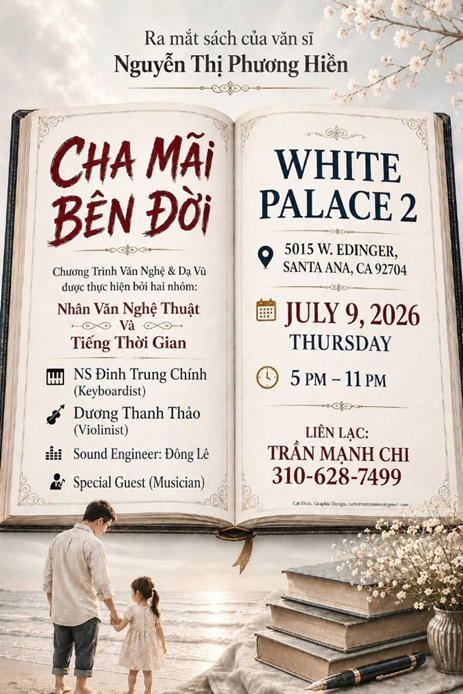

CỐ THIẾU TÁ NGUYỄN GIA TĨNH (1931-1985)
Reflections on the memoir *Cha Mãi Bên Đời* (Stay With Me Forever And Ever, Papa!) by Nguyễn Thị Phương Hiền.
Vương Trùng Dương
(On the morning of Tuesday, June 23, while watching the World Cup at Gypsy Café, Huy Anh gifted me a copy of *Cha Mãi Bên Đời*; in return, I am writing these lines about the work.)
***
Over the past eighteen years, in my role as Editor-in-Chief of the monthly publication *Chiến Sĩ Cộng Hòa* (Soldier of the Republic), I have read and published numerous works and articles recounting the lives of children whose fathers were imprisoned and whose families endured harsh, marginalized existences following the loss of their country.
These stories capture poignant and heart-wrenching images: the struggle for survival, exile to “New Economic Zones,” the arduous journeys to visit imprisoned loved ones, the perilous escapes abroad, and life in the diaspora.
The memoir *Cha Mãi Bên Đời* by Nguyễn Thị Phương Hiền is a standout work within this genre. Originally published in 2017, it was translated into English nine years later as *Stay With Me Forever And Ever, Papa!* The book is scheduled for its official launch in Little Saigon during the first ten days of July 2026.
Although she belongs to the “second generation” of the Republic of Vietnam Military Forces (RVNMF) families, Phương Hiền has now reached the age of seventy. Consequently, this work offers American readers and the second generation a chance to deeply feel the devotion of a daughter toward her father—a man who committed himself to the cause during wartime, suffered imprisonment, and has since passed away. The memoir comprises twenty parts: The First Journey, From the Six Provinces to Saigon, A Little Friend, Beloved Ninh Hoa, A Moonlit Night of Childhood, Tran Binh Trong High School (Ninh Hoa, Khanh Hoa), First Lessons, A Father’s Aspirations, Memories That Never Fade, A Spring Gift for Father, From Ninh Hoa to Duc My, Bidding Farewell to Ninh Hoa, Quy Nhon, Spring in Pleiku, Times of Great Change, Departing Forever, My Father’s Comrades-in-Arms, The Legacy of Fathers, Keepsakes of an Era, Father Forever by My Side…
Through these chapters, Phuong Hien encapsulates the settings and life experiences spanning the migration to the South in 1954, two decades of wartime, the aftermath of the country’s fall, and the tumultuous changes that followed.
In the Foreword, Phuong Hien writes: “To me, memories of my father are not merely the past; they live on in the present—vivid and beautiful—compelling me to write. It feels as though, even now, my father smiles benevolently as he listens to me tell his story…
I am a child of love—I know this because I… secretly read the diaries and letters they exchanged before… I was even born.”
References to Ninh Hoa hold many memories for me as well; in early 1971, I was transferred to the Political Warfare Company (under the 20th Political Warfare Battalion in Pleiku). My duties frequently took me to Ninh Hoa, where I met a schoolteacher who would become my life partner. I recall the friends Phương Hiền made while attending Trần Bình Trọng High School and Quy Nhơn High School… Having spent my own military service years in Ninh Hòa, Quy Nhơn, and Pleiku, reading Phương Hiền’s writings—originally published on the website ninh-hoa.com—evokes memories of that bygone era.
Regarding her background, Phương Hiền was born in Hưng Yên. Her father, Nguyễn Gia Tĩnh, was a graduate of the “Trần Bình Trọng” Class (Class 10) at the National Military Academy in Đà Lạt (1953–1954); following the Geneva Accords that partitioned the country, his unit relocated to the South. As a soldier in a combat unit—specifically the Ranger Corps (Biệt Động Quân)—Nguyễn Gia Tĩnh served in various posts across the four Tactical Zones of the Republic of Vietnam, taking his family along with him to each new assignment. Consequently, his daughter Phương Hiền moved frequently with her father, particularly during the time spent in the Second Tactical Zone.
In Part 16, titled “Departing Forever” (Ra Đi Mãi Mãi), Phương Hiền writes: “We lost all contact with my father during his nearly five years of imprisonment. Only later, when he recounted his experiences, did we learn that he had been transported on a sealed train to the Yên Bái region and transferred between camps multiple times, ultimately ending up at the Nam Hà camp in Hà Nam province.
In captivity, my father hovered between life and death many times—whether due to his severe heart condition or the anguish that tormented his heart…”
After his release, “My father’s health steadily declined. How could his heart recover amidst such turbulent, tragic times? One day at the end of the year, my father left me, departing forever. He passed away on the 22nd day of the twelfth lunar month in the Year of the Ox (January 21, 1985), at the age of only 54.” It was only three decades after the loss of her beloved father that Phương Hiền took up the pen again, sharing her writings on the website ninh-hoa.com—a site that also holds memories of her school days. Ninh Hòa was home to the Dục Mỹ Ranger Training Center (located in Ninh Sim Commune, Dục Mỹ, Ninh Hòa District, near Đeo Mountain, along National Route 21 heading from Ninh Hòa town to Khánh Dương). Known as the “Steel Forge,” this facility trained Ranger comrades in jungle, swamp, and reconnaissance warfare—skills essential to one of the Republic of Vietnam Military Forces’ combat branches. It was a major military complex that also housed the Artillery School and the Lam Sơn Training Center; consequently, on weekends, this small town took on the atmosphere of a “soldiers’ town.”
Some memoirs suffer from an “obnoxious self” (recalling philosopher Blaise Pascal’s *Le moi est haïssable*), where the author exaggerates their own importance, often provoking a negative reaction in the reader. In contrast, the “self” presented by Phương Hiền stems from a sincere and filial heart—a daughter’s perspective on her parents that spans years, beginning in childhood when she would “sneak peeks at the diaries and letters” they exchanged, thereby gaining insight into their romance.
Regarding style, Phương Hiền writes concisely and coherently, expressing her emotions honestly—as if simply sharing her thoughts with the reader. She employs simple, unadorned language—writing exactly as things are—yet the work is profound and deeply humane throughout its 320 pages.
Even as a student, Phương Hiền was an avid reader (despite also being fond of play); she absorbed the guidance of her parents and teachers, influences that clearly shape her writing.
The memoir’s content weaves together various anecdotes with the passage of time and images of family life. Phương Hiền focuses on her school days but omits her time at the Saigon School of Pharmacy and her subsequent career as a pharmacist—perhaps out of discretion or the very humility regarding the “self” mentioned earlier.
Although I read some of these pieces a decade ago, revisiting them in this book makes me feel a renewed closeness to this commendable early work.
Little Saigon, June 23, 2026
Vương Trùng Dương
Editor-in-Chief, *Chiến Sĩ Cộng Hòa* (Republic Soldier) Monthly.
===================================================================
Lecture du récit autobiographique « Père pour toujours, Papa ! » de Nguyen Thi Phuong Hien.
Vuong Trung Duong
(Le mardi 23 juin au matin, alors que nous regardions la Coupe du Monde au Gypsy Cafe, Huy Anh m’a offert un exemplaire de « Père pour toujours, Papa ! ». En guise de remerciement, j’ai écrit ces quelques lignes à propos de cet ouvrage.) – Pièce jointe
***
Au cours des dix-huit dernières années, en tant que rédacteur en chef du magazine mensuel « Republican Soldier », j’ai lu de nombreux ouvrages, articles et publications relatant la vie d’enfants dont le pays a été perdu, dont les pères ont été emprisonnés et dont les femmes et les enfants vivent dans des conditions extrêmement difficiles, en marge de la société.
Les images tragiques et émouvantes décrivent la lutte pour la survie, l’exil vers de nouvelles zones économiques, les voyages éprouvants pour leur rendre visite et les soutenir, la fuite à travers la frontière et, finalement, la survie à l’étranger.
Les mémoires de Nguyen Thi Phuong Hien, « Père pour toujours, Papa ! », sont une œuvre emblématique du genre. Publiées en 2017, elles ont été traduites en anglais neuf ans plus tard sous le titre « Reste avec moi pour toujours, Papa !». Le livre paraîtra début juillet 2026 à Little Saigon.
Bien qu’appartenant à la deuxième génération de l’armée sud-vietnamienne, Phuong Hien est aujourd’hui septuagénaire. De ce fait, son ouvrage peut être interprété par les Américains et les anciens combattants de la deuxième génération comme le reflet des sentiments d’un fils pour son père, qui s’est dévoué à la guerre, a été emprisonné et a tragiquement disparu.
Ce récit autobiographique se compose de 20 parties : Le Premier Voyage, Des Provinces du Sud à Saïgon, Un Petit Ami, Ma Chère Ninh Hoa, Une Nuit de Lune dans l’Enfance, Le Lycée Tran Binh Trong à Ninh Hoa – Khanh Hoa, Premières Leçons, Le Vœu d’un Père, Souvenirs Inoubliables, Un Cadeau de Printemps pour Père, De Ninh Hoa à Duc My, Adieu à Ninh Hoa, Quy Nhon, Le Printemps à Pleiku, Les Choses Changent, Le Départ Pour Toujours, Les Compagnons de Mon Père, L’Emprise des Pères, Souvenirs du Passé, Père à Jamais dans Ma Vie…
À travers ce récit, Phuong Hien retrace son parcours depuis son arrivée au Sud en 1954, en passant par les deux décennies de guerre qui ont suivi la chute du pays, et en évoquant le passage du temps et l’évolution des circonstances.
Dans la préface, Phuong Hien écrit : « Pour moi, les souvenirs de mon père ne sont pas seulement du passé, mais se prolongent au présent, vifs et précieux, m’incitant à prendre la plume – comme aujourd’hui : mon père souriait avec bienveillance tandis que je lui racontais des histoires…
Je suis un enfant de l’amour – je le sais car j’ai… lu en secret les lettres qu’ils ont échangées avant… ma naissance. »
Évoquer Ninh Hoa me revient en mémoire. Début 1971, j’ai été muté au sein de la Compagnie de Guerre Politique (le 20e Bataillon de Guerre Politique de Pleiku) et me rendais souvent à Ninh Hoa pour le travail. C’est là que j’ai rencontré mon enseignante, qui est devenue ma compagne et avec qui je partage ma vie depuis. Mes amis enseignaient dans les lycées fréquentés par Phuong Hien : le lycée Tran Binh Trong et le lycée Quy Nhon… Ninh Hoa, Quy Nhon et Pleiku sont intimement liés à mon expérience militaire. Aussi, lorsque je relis les écrits de Phuong Hien, précédemment publiés sur le site ninh-hoa.com, je replonge dans le passé.
Concernant sa biographie, Phuong Hien est née à Hung Yen. Son père, Nguyen Gia Tinh, est sorti diplômé de la 10e promotion Tran Binh Trong de l’Académie militaire nationale de Da Lat (1953-1954). Après la partition du pays suite aux accords de Genève, son unité fut mutée au Sud. Nguyen Gia Tinh, membre de la 9e unité des forces spéciales, fut affecté à de nombreuses reprises dans les quatre zones tactiques de la République du Viêt Nam. Il emmenait sa famille avec lui à chaque affectation. De ce fait, sa fille, Phuong Hien, a beaucoup déménagé avec son père, notamment pendant son séjour dans la 2e zone tactique.
Dans la 16e partie, « Disparu à jamais », Phuong Hien écrit : « Mon père est resté injoignable pendant près de cinq ans, durant son incarcération. Plus tard, lorsqu’il nous a donné des nouvelles, nous avons appris qu’il avait pris le train pour Yen Bai, avait été transféré dans plusieurs camps, et que sa destination finale était le camp de Nam Ha, dans la province de Ha Nam.
En prison, mon père est mort et revenu à la vie à de nombreuses reprises, peut-être à cause de sa grave maladie cardiaque, ou à cause des circonstances qui lui causaient tant de souffrances… »
Après sa libération, « La santé de mon père s’est dégradée. Comment son cœur aurait-il pu se rétablir après une vie aussi tumultueuse ! Un jour, à la fin de l’année, mon père m’a quittée, parti pour toujours. Il est décédé le 22 du 12e mois lunaire de l’année du Buffle (21 janvier 1985), à l’âge de 54 ans. »
Depuis le décès de son père bien-aimé, Phuong Hien a repris l’écriture il y a trente ans, publiant des articles sur le site web ninh-hoa.com, qui conserve également des souvenirs de ses années d’études. À Ninh Hoa se trouvait le Centre d’entraînement des forces spéciales de Duc My (situé dans la commune de Ninh Sim, district de Duc My, près du mont Deo, le long de la route nationale 21 en direction de Khanh Duong). Surnommé le « Four de forge », ce centre formait les soldats des forces spéciales au combat en jungle et en zone marécageuse, à la reconnaissance, etc., et constituait l’une des branches combattantes des forces armées de la République du Vietnam. Zone militaire stratégique, il abritait également l’École d’artillerie et le Centre d’entraînement de Lam Son… De ce fait, cette petite ville se transformait en « ville militaire » le week-end.
En ce qui concerne les mémoires, certains ouvrages utilisent la figure du « moi haïssable » (Le moi est haïssable, du philosophe Blaise Pascal) pour exagérer l’image de soi, ce qui peut facilement rebuter. Cependant, les mémoires de Phuong Hien révèlent un « moi » né de la sincérité et de l’amour filial d’une fille pour son père, depuis son enfance où elle lisait en secret leurs journaux intimes et leurs lettres, et où elle a pu ressentir l’amour qui unissait ses parents.
Dans les mémoires, certains auteurs utilisent la figure du « moi haïssable » (comme chez Blaise Pascal) pour exagérer la figure de l’auteur, ce qui peut les rendre rebutants. Cependant, dans les mémoires de Phương Hiền, le « moi » est celui d’une fille sincère et dévouée à son père, depuis son enfance où elle lisait en secret leurs journaux intimes et leurs lettres, découvrant ainsi leur histoire d’amour.
Sur le plan du style, Phương Hiền écrit avec concision et clarté, exprimant ses émotions avec une grande sincérité, comme si elle les partageait avec le lecteur. L’auteure utilise un langage simple, direct et pourtant profondément humain, une qualité qui imprègne les 320 pages.
Dès son plus jeune âge, Phương Hiền lisait assidûment (malgré son côté enjoué) et s’imprégnait des enseignements de ses parents et de ses professeurs, ce qui a grandement influencé son écriture.
Dans ses mémoires, le contenu de chaque récit s’entremêle avec le temps et les images de sa famille et de sa vie. Phuong Hien évoque seulement ses années d’études, sans parler de ses années à l’Université de Pharmacie de Saigon, ni de sa formation de pharmacienne. Peut-être est-ce là une subtilité, une marque d’humilité face à son « ego », comme mentionné précédemment.
Bien que j’aie lu ses écrits précédents il y a dix ans, les relire dans cet ouvrage me donne toujours l’impression d’être en présence de cette première auteure, ce qui force le respect.
Petit Saigon, 23 juin 2026
Vuong Trung Duong
Rédacteur en chef du magazine mensuel Chien Si Cong Hoa (Soldat républicain).